
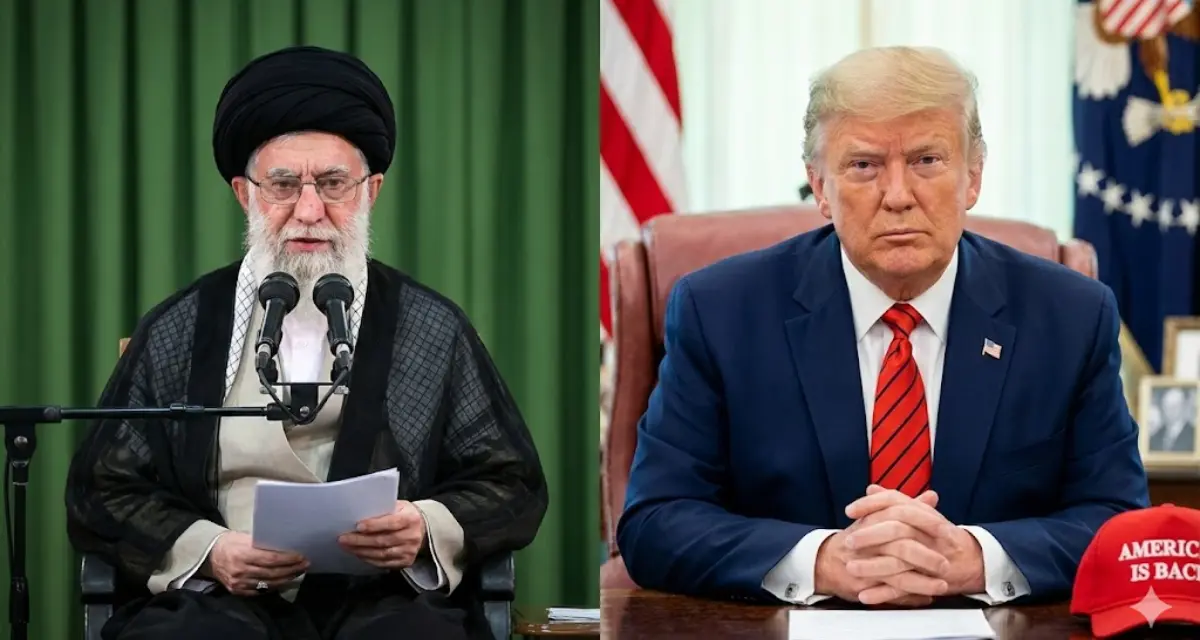
us iran nuclear talks oman are set to resume as Washington and Tehran prepare for high-level nuclear discussions in Oman amid heightened tensions in the Middle East. Nuclear talks between the United States and Iran are scheduled to take place in Oman on Friday, marking a renewed diplomatic effort to address longstanding disagreements over Iran’s nuclear program and regional security, according to diplomatic sources. This move comes amid mounting tensions in the Middle East and recent military confrontations that have raised concern about the possibility of wider conflict.
Tensions between Washington and Tehran have been elevated by a series of incidents at sea and differing approaches to negotiations. In recent days, the U.S. military shot down an Iranian drone near a U.S. aircraft carrier in the Arabian Sea, part of a series of confrontations that have underscored the fragile nature of the current relationship.
Talks Moved to Oman at Iran’s Request
Iran requested that the venue for the talks be shifted from Turkey to Oman, a location that has traditionally served as a neutral site for previous nuclear discussions. Tehran also wants the negotiations to focus specifically and solely on its nuclear program, rather than broader issues such as its ballistic missile capabilities or regional activities.
The U.S. administration agreed to the change of venue, reflecting a mutual interest in reviving dialogue while acknowledging Iran’s preference to narrow the scope of the discussions. Negotiations are expected to be held on a primarily bilateral basis, though discussions remain ongoing about whether representatives from other regional Arab and Muslim countries will participate.
Sticking Points in Negotiations
Key differences in the agenda remain. Iran has made clear that it considers its ballistic missile program a red line and refuses to negotiate any limits on its development. Tehran views its missile capabilities as vital to national defense and sovereignty, and officials have emphasized that any attempt to link missile issues to the nuclear talks would be unacceptable.
On the U.S. side, negotiators have sought not only to curb Iran’s nuclear ambitions but also to address broader concerns about Tehran’s regional influence and support for militant groups. These differing priorities continue to present challenges as both sides prepare for the upcoming talks.
Regional Tensions Add Pressure
The diplomatic push for talks comes against the backdrop of recent confrontations and military posturing. Incidents at sea involving Iranian forces and Western naval assets have heightened anxiety among regional and global observers. The deployment of additional military forces to the Gulf region has signaled a buildup of pressure from Washington, even as diplomats seek to avoid a direct escalation.
Read Also: FASTag KYC Update: Big Relief for Car Owners, No Separate KYC Needed Now
Meanwhile, Iran’s leadership is also facing internal pressures, including concerns over domestic stability and public discontent. Balancing these internal dynamics with diplomatic negotiations adds complexity to Tehran’s approach.
Outlook for Friday’s Negotiations
As both countries prepare for the talks in Oman, there are cautious hopes that discussions could contribute to a de-escalation of tensions and lay the groundwork for more substantive agreement in future rounds. However, with significant differences in priorities and ongoing regional uncertainties, analysts suggest that progress may be slow and fragile.
The focus on the nuclear program — rather than a wider agenda — reflects an effort to find common ground and reduce the risk of further confrontations, but the broader geopolitical context means that outcomes remain uncertain.

