
The Indian stock market witnessed a sharp sell-off immediately after the presentation of the Union Budget 2026–27, as investor sentiment turned cautious and risk-averse. The announcement triggered heavy selling pressure across major indices, leading to a sudden fall in benchmark markets during the special trading session held after the budget speech.
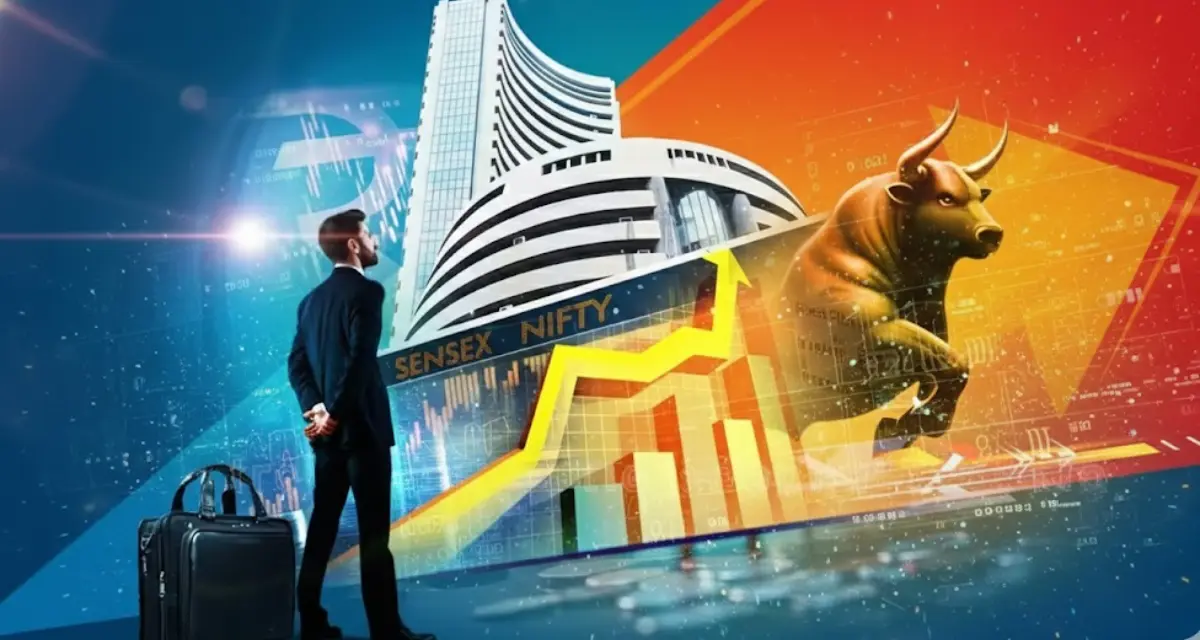
Sensex and Nifty See Heavy Losses
Following the budget announcements, the BSE Sensex plunged by more than 1,500 points during intraday trade, while the NSE Nifty50 slipped sharply below key support levels. At one stage, the Sensex dropped close to 2,000 points from its day’s high, reflecting panic selling across large-cap, mid-cap, and small-cap stocks. The sharp decline wiped out a significant portion of investors’ wealth within a short span of time.
Reasons Behind the Stock Market Crash
One of the major reasons behind the stock market crash after Budget 2026 was the increase in Securities Transaction Tax on equity derivatives such as futures and options. The higher trading cost impacted market sentiment, particularly among traders who rely heavily on derivatives for short-term positions. In addition, the absence of strong market-friendly incentives and limited relief for investors further weakened confidence.
Sector-Wise Impact on the Market
The sell-off was broad-based, with banking, financial services, technology, and public sector stocks facing heavy pressure. Banking stocks dragged the indices lower as concerns grew over margins and future earnings. Mid-cap and small-cap stocks were hit even harder, highlighting the depth of the market correction following the budget announcements.
Read More: US to Add 65,000 H-2B Guest Worker Visas in 2026 to Tackle Labor Shortages
Investor Sentiment Turns Cautious
Investor sentiment turned extremely cautious as market participants reassessed their strategies in light of the new budget measures. Many traders opted to book profits or exit positions to avoid further downside risk. Volatility increased sharply, indicating uncertainty and nervousness among both retail and institutional investors.
Market Outlook After Budget 2026
Experts believe that the sharp fall reflects short-term reactions rather than long-term economic weakness. However, markets may remain volatile in the near term as investors digest the budget proposals and monitor global economic cues. Future market direction will depend on corporate earnings, global market trends, and further policy signals from the government and regulators.

