
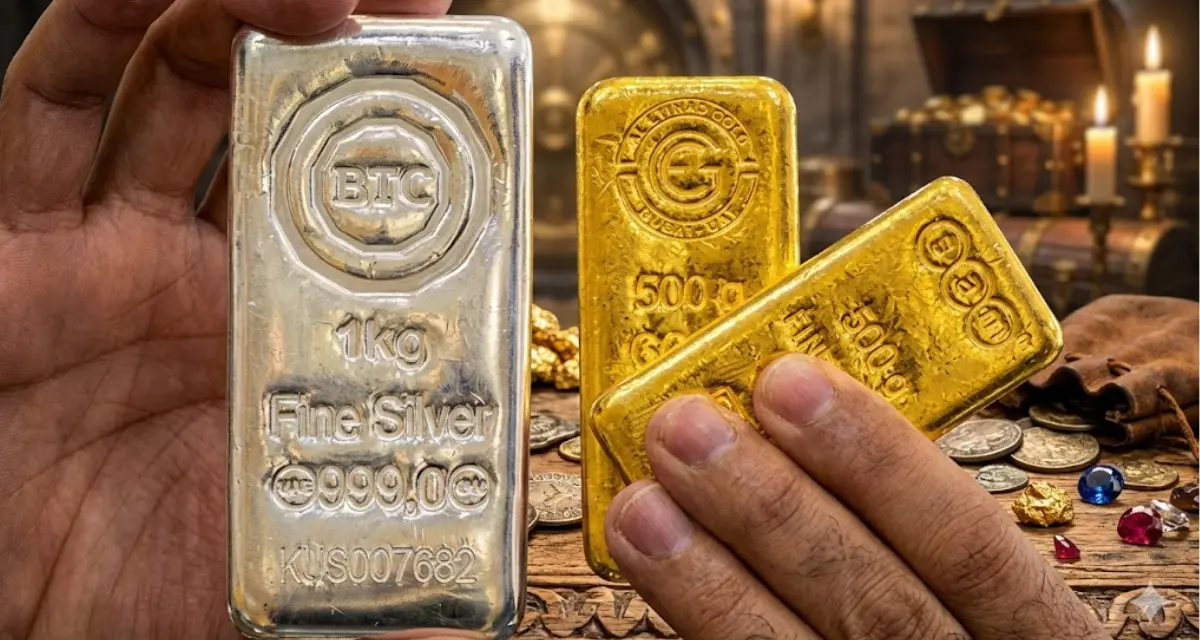
Gold Silver Ratio has seen a sharp decline in recent weeks, grabbing the attention of commodity traders and long-term investors alike. The Gold Silver Ratio is a key metric used to compare the relative value of gold and silver, and its sudden movement often signals a major shift in market sentiment.
At present, the falling Gold Silver Ratio suggests that silver prices are rising faster than gold, indicating stronger demand and momentum in the silver market. For investors, this trend carries important implications for portfolio positioning and future returns.
What Is the Gold Silver Ratio?
The Gold Silver Ratio measures how many ounces of silver are required to purchase one ounce of gold. For example, if gold is priced at $2,000 per ounce and silver at $40 per ounce, the ratio stands at 50.
Historically, the Gold Silver Ratio has averaged between 60 and 70. When the ratio moves significantly above this range, silver is considered undervalued. When it drops sharply below the average, it often signals that silver has become relatively expensive compared to gold.
Why Is the Gold Silver Ratio Falling?
The recent slump in the Gold Silver Ratio is primarily driven by strong silver price performance. Several factors are supporting this trend:
-
Rising industrial demand for silver in solar panels, electric vehicles, and electronics
-
Tight global silver supply
-
Increased investor interest in silver as a hedge against inflation
-
Speculative buying in the commodities market
While gold remains a traditional safe-haven asset, silver benefits from both investment demand and industrial usage, giving it an advantage during periods of economic transition.
What Does a Low Gold Silver Ratio Indicate?
A declining Gold Silver Ratio typically points to silver outperforming gold. This can signal optimism about industrial growth, as silver is heavily used in manufacturing and clean energy technologies.
Read More: Meta Premium Subscriptions Instagram Facebook WhatsApp: New Paid Plans Explained
However, a very low ratio may also indicate that silver is becoming overheated in the short term. Historically, such extreme levels have sometimes been followed by a rebound in gold prices or a cooling phase in silver.
Implications for Investors
1. Portfolio Rebalancing Opportunity
A falling Gold Silver Ratio may encourage investors to rebalance their portfolios. Some may consider shifting partial exposure from silver to gold to maintain long-term stability.
2. Silver Momentum Trade
Momentum-driven investors may view the current Gold Silver Ratio trend as confirmation that silver still has upside potential, especially if industrial demand continues to rise.
3. Gold’s Comeback Potential
Historically, when the Gold Silver Ratio drops sharply below its long-term average, gold often stages a recovery. This makes gold attractive for investors looking for safer, defensive positioning.
Is This a Long-Term Trend?
While the current Gold Silver Ratio movement highlights silver’s strength, long-term investors should remain cautious. Commodity markets are cyclical, and extreme ratio levels rarely persist indefinitely.
Macroeconomic factors such as interest rate changes, inflation expectations, and global economic growth will continue to influence both gold and silver prices. Investors should monitor these indicators closely before making large allocation decisions.
The sharp decline in the Gold Silver Ratio is a clear signal that silver is currently outperforming gold. For investors, this trend offers both opportunities and risks. While silver’s momentum remains strong, historical patterns suggest that balance between gold and silver eventually returns.
A diversified approach, rather than chasing short-term trends, may help investors navigate volatility in the precious metals market more effectively.

