
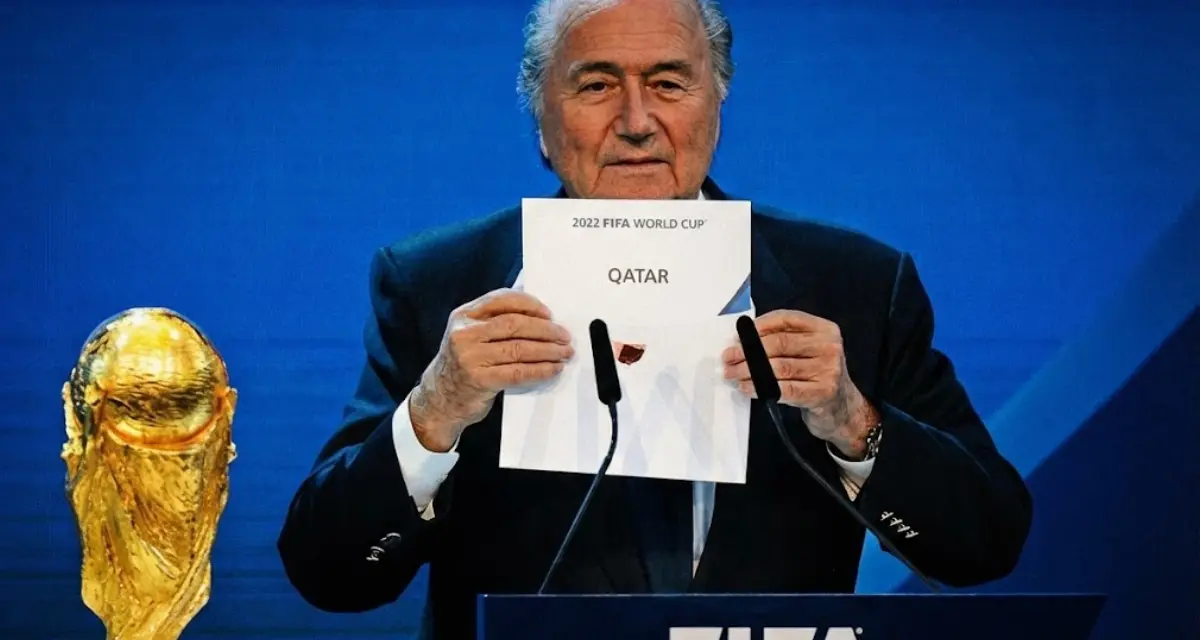
Former FIFA President 2026 World Cup USA comments have sparked a major debate across the global football community. As excitement builds for the biggest football tournament in history, the former FIFA chief has advised fans to think carefully before traveling to the United States for the 2026 World Cup.
The warning has created shockwaves among supporters, analysts, and football authorities, as millions of fans worldwide are expected to attend matches hosted across North America. According to the former FIFA president, fans may face unexpected challenges that could negatively impact their World Cup experience.
Political Environment Adds to 2026 World Cup USA Concerns
The Former FIFA President 2026 World Cup USA warning focuses heavily on the political and administrative situation in the United States. Strict immigration policies, heightened border security, and unpredictable visa approval processes are being viewed as major obstacles for international supporters.
Football experts believe that such restrictions go against the spirit of the World Cup, which is meant to unite fans from all nations regardless of background.
Visa Restrictions Could Affect Thousands of Fans
One of the biggest issues highlighted in the Former FIFA President 2026 World Cup USA debate is visa accessibility. Fans from Africa, the Middle East, and parts of the Caribbean may face difficulties obtaining travel permission.
Read More: SpaceX Starship Mid-March Test: First Flight of Upgraded V3 Rocket
Many supporters worry that delays or rejections could force them to cancel travel plans, even after buying tickets and booking accommodations. This uncertainty is already discouraging fans from planning early trips.
Rising Costs Make 2026 World Cup Less Accessible
Apart from travel concerns, the Former FIFA President 2026 World Cup USA warning also highlights financial challenges. The cost of attending matches in the United States is expected to be significantly higher than in previous World Cups.
Ticket prices, hotel rates, domestic flights, food, and transportation are all projected to rise sharply. Resale platforms may further increase ticket prices, pushing the tournament out of reach for average football fans.
Concerns Over Fan Experience in the USA
Supporter groups have raised concerns that the Former FIFA President 2026 World Cup USA criticism reflects a larger issue—whether fan experience is being prioritized. Some fear the tournament could feel more like a corporate event rather than a celebration of football culture.
The possibility of empty seats at certain matches due to high costs and travel restrictions has also been discussed by analysts.
Largest World Cup Faces Unique Challenges
The 2026 edition will be the largest World Cup ever, featuring 48 teams across multiple host cities. While organizers promise a historic spectacle, the Former FIFA President 2026 World Cup USA remarks suggest that size alone does not guarantee success.
Hosting matches across a vast country like the United States may create logistical difficulties for traveling fans, especially those attending multiple games.
Final Verdict on Former FIFA President 2026 World Cup USA Warning
The Former FIFA President 2026 World Cup USA warning has reignited global discussion about FIFA’s host selection decisions. While the tournament is still expected to attract millions of viewers worldwide, concerns about visas, affordability, and accessibility remain unresolved.
As the countdown to kickoff continues, football fans will closely watch how organizers respond to these issues. Whether the warning proves accurate or not, it has already changed how supporters view the 2026 World Cup in the USA.The Former FIFA President 2026 World Cup USA statement has also influenced how global football fans are planning their viewing experience.
Many supporters are now considering alternative options such as attending matches in Canada or Mexico, where travel rules may be simpler and costs comparatively lower. Others are preparing to follow the tournament digitally through live broadcasts and fan communities. This shift highlights a growing concern that unless fan-focused policies improve, the USA-hosted matches may struggle to deliver the traditional World Cup atmosphere that supporters around the world expect.

