
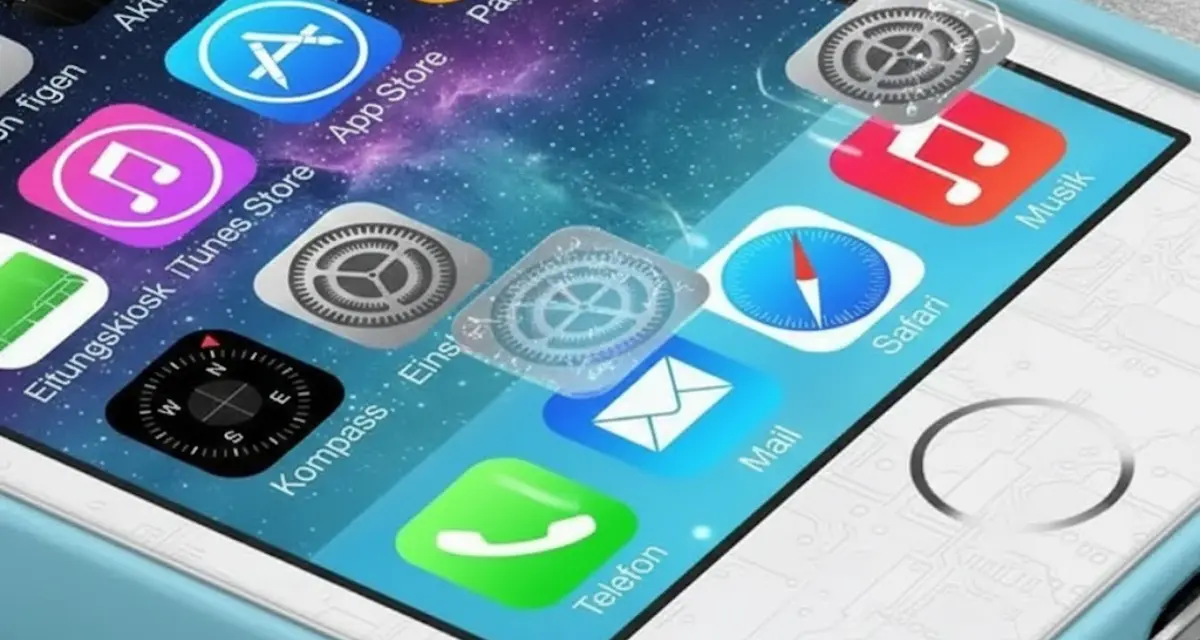
Apple updates iOS 12 in 2026 with a small but critical release aimed at keeping core services working on older devices. This marks the first update to the iOS 12 operating system since 2023, bringing renewed support for legacy hardware that cannot run the latest software versions.
The release highlights Apple’s continued attention to maintaining functionality for users of older iPhones, iPads, and iPod touch models. While most Apple devices move on to newer iOS versions, this update ensures that some of the most essential features remain active on aging hardware.
What This iOS 12 Update Does
Unlike major iOS upgrades that introduce new features or redesigns, the latest iOS 12 release focuses on maintenance and support. The update extends an important system certificate that is required for key services such as iMessage, FaceTime, and device activation to continue working beyond January 2027.
Without this extension, these services would stop functioning on older devices once the certificate expired. By releasing this update, Apple is effectively preventing older phones and tablets from losing access to fundamental communications and setup capabilities.
Devices That Benefit From the Update
The update applies to a select group of older devices that are no longer able to install modern versions of iOS. These include models that were originally released more than a decade ago but remain in use by some users:
-
Older iPhone models that cannot be updated beyond iOS 12
-
Certain older iPad and iPod touch models
-
Devices used as secondary phones, backups, or simple media players
This continued support helps extend the useful life of aging hardware, allowing users to retain reliable access to core connectivity features without forcing an upgrade to newer devices.
Why Apple Chose to Update Now
The decision to update an older operating system many years after its initial release is unusual but meaningful. The update was released alongside other software updates for newer versions of iOS, reflecting Apple’s broader software maintenance cycle.
Read More: US to Add 65,000 H-2B Guest Worker Visas in 2026 to Tackle Labor Shortages
By addressing a certificate expiration issue that could disrupt services on legacy devices, Apple is acknowledging that some users still depend on older hardware for everyday communication. This step shows a commitment to keeping services functional for as long as possible, even on systems that no longer receive full feature updates.
What It Means for Users
For users of older devices, this update is a welcome development. It ensures that critical features like messaging and video calling continue to work properly. Users are advised to check the Software Update section of their device settings to install the update if it is available.
Although the update does not bring new features or performance enhancements, it plays a vital role in preserving essential services and prolonging the usefulness of older Apple products.
Apple’s Legacy Support Approach
Apple’s decision to issue this update underscores a broader trend in long-term device support. While many technology companies provide updates for a limited number of years, Apple has often extended functionality on legacy hardware through security patches and maintenance releases.
This update highlights how older operating systems can remain relevant and functional years after their initial introduction, especially when core services depend on valid system certificates.
In 2026, Apple updates iOS 12 to ensure that messaging, video calling, and device activation continue to work on older hardware. This maintenance-focused release does not add new features, but it plays a crucial role in extending the life of devices that otherwise could lose important functions. For users of legacy Apple products, this update offers reassurance that core services will remain accessible for years to come.

